Beetles
Colophon
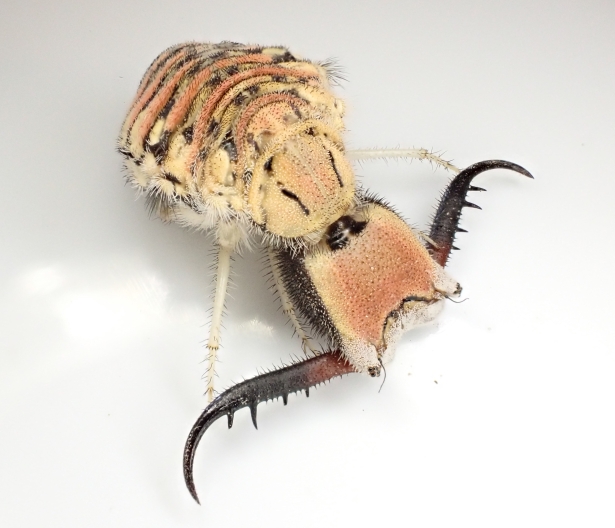
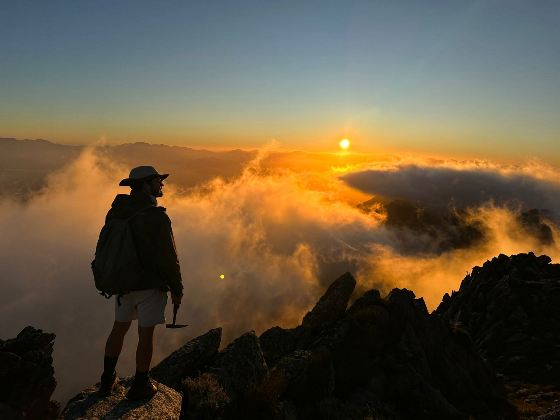
High up in the foggy, rocky peaks of South Africa's Western Cape mountains lives a rare and fascinating group of beetles known as Colophon beetles, or Cape Stag Beetles. There are currently 21 described species, and all of them are threatened and listed as either Endangered or Critically Endangered by the IUCN. These beetles are found nowhere else on Earth, which means they are endemic. Because they cannot fly or travel far, individual mountain peaks act like isolated islands, creating unique species that are specially adapted to their local environments.
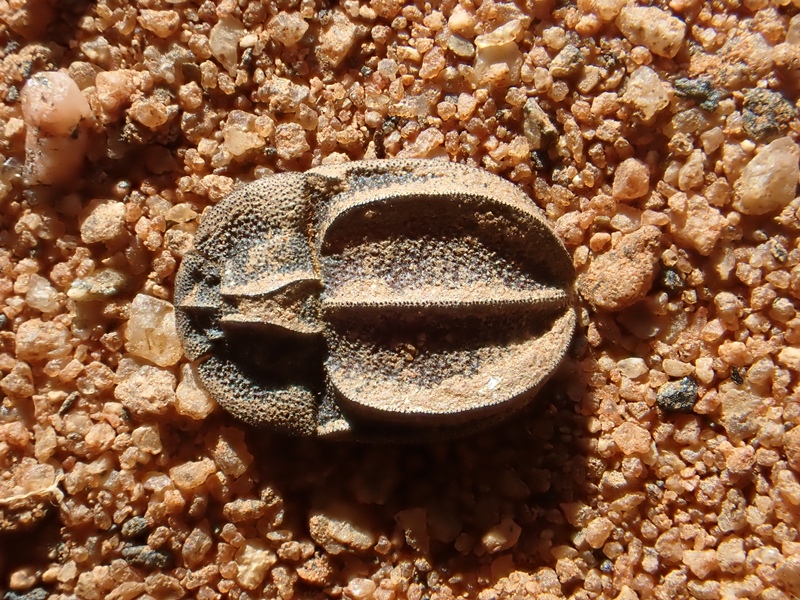
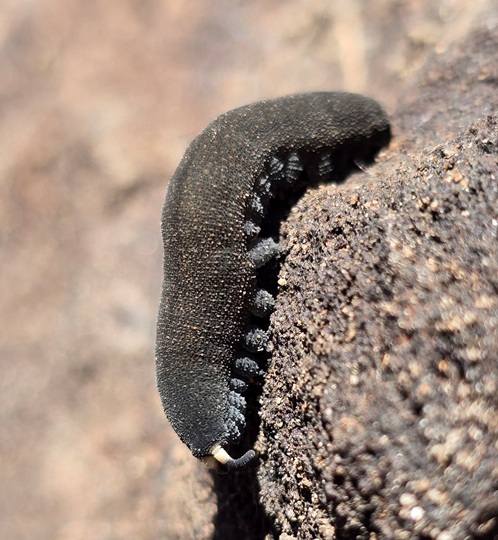
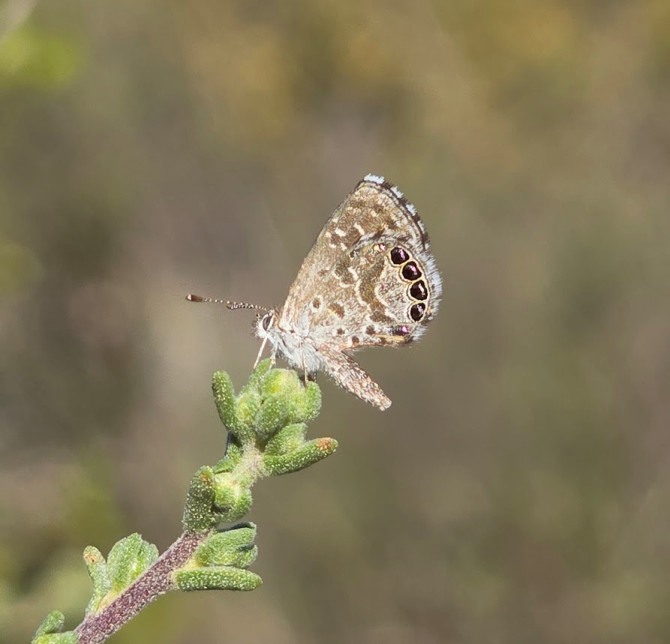
They are so closely tied to their mountain habitat that they only come out when the weather is moist and foggy. Unfortunately, their rare beauty makes them highly vulnerable to illegal poachers who collect them to sell to international collectors. To protect these overlooked species, the Drylands Strategic Conservation Landscape team from the Endangered Wildlife completed two projects, funded by the Mohamed bin Zayed Species Conservation Fund, to save two specific species: Eastman’s and Nagai’s Cape Stag Beetles. These two species were previously only known from a single mountain peak each. When preparing this project, we found a worrying gap in protection: the official conservation records are severely outdated, and the beetles' unique mountain habitat are currently unprotected. To fix this, the project team planned to survey 16 peaks across 54 kilometer of ae mountain range in the Klein Karoo. These two projects were assisted by RossAir, to reach inaccessible peaks with a helicopter to map exactly where the beetles still survive. Several remains of dead beetles were found across the range, and only two live males were found, as well as 10 larvae. Many other interesting species were also recorded, such as fireflies, a new beetle genus, and ancient velvet worms. The team worked directly with local landowners to sign willingness agreements, which would result in legal protection of these high-altitude peaks from development. Finally, the team developed plans to clear out invasive plants, manage wildfires safely, raise awareness about poaching, and update the beetles’ threat statuses so they receive the global protection they desperately need.
Bioblitzes
A Bioblitz is basically a quick (no longer than two weeks at a time) and powerful biodiversity survey that is conducted for a specific area, whether it is a national park, private property, or municipal land. It entails recording everything that is alive – from the biggest to the smallest life forms. The Endangered Wildlife Trust has conducted multiple Bioblitzes in the past two years – specifically on privately owned land, with the intent of conservation stewardship with the landowner, and for National Parks in Mozambique, to update their species lists.
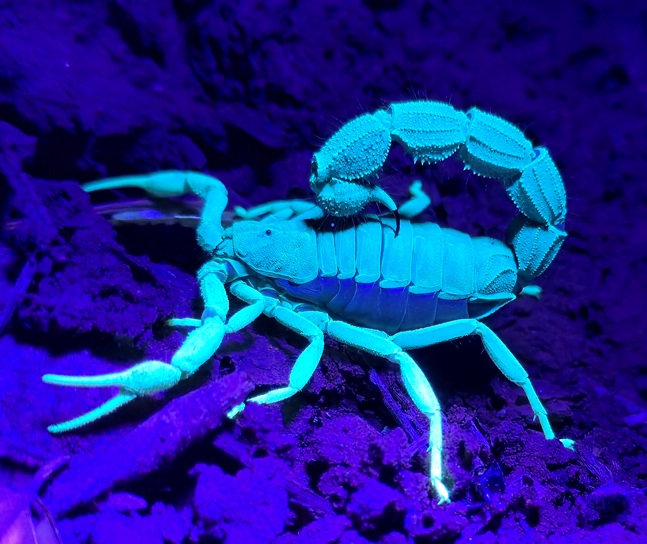
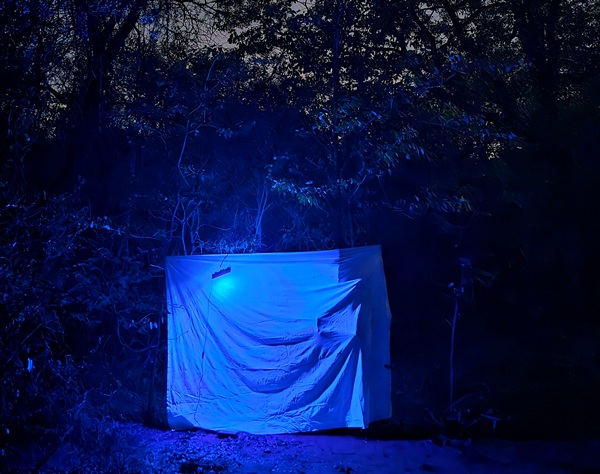
Bioblitzing is a cross-cutting tool in the EWT, because there are biodiversity experts scattered across units within the EWT. There are several interesting methods to record biodiversity. The most important part, of course, is to locate organisms in a certain landscape. Different methods are used for different groups of organisms, for example Sherman traps are used for trapping rodents, whereas birds are recorded through a point-count system. Larger mammals are recorded with the use of camera traps, and elusive species like Dwarf Tortoises and Golden Moles are located using the Drylands Strategic Conservation Landscape’s scent detection dogs. Invertebrates on the other hand are recorded using UV-light trapping at night (for nocturnal insects), pitfall traps, and sweeping vegetation with a butterfly net. Bioblitzes generally ignore invertebrates, simply because they are small and not easy to identify. Even signs left behind by animals are used to identify the animal, for example tracks, burrows, nests, and fur. Soil and water samples are also collected, because these usually contain environmental DNA (eDNA) – traces of DNA left behind in the environment in the form of hair, skin cells, urine, or scat. Once we have located the animals and analyzed the eDNA, we compile a species list of everything that occurs in the landscape. It is important to know what species occur in a landscape, because this informs the management plans – especially if threatened species are involved.