Riverine Rabbit
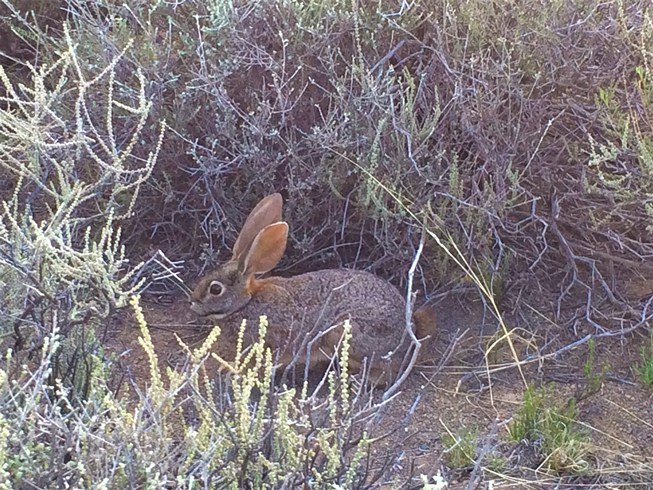
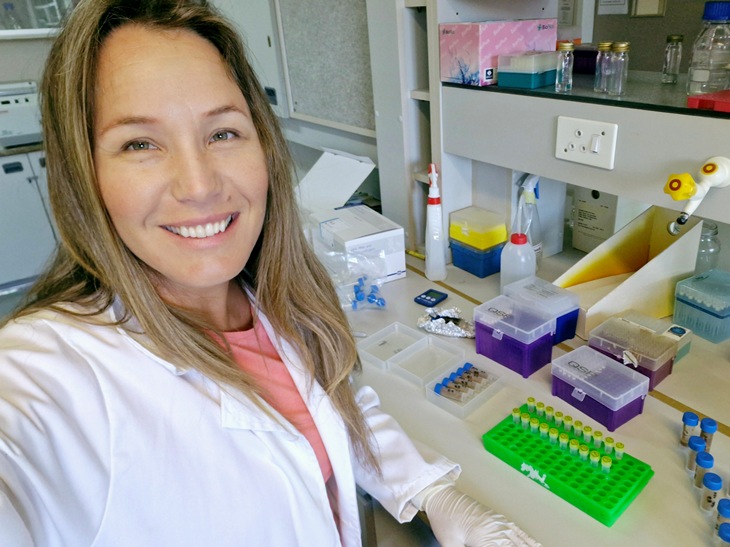
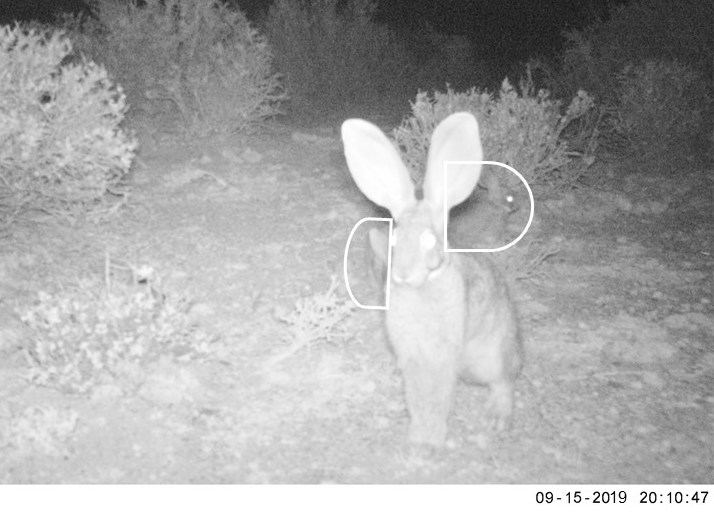
The Critically Endangered Riverine Rabbit is regarded as one of Africa’s most endangered mammals, threatened predominantly by habitat transformation across the Karoo, resulting in a limited geographical distribution and seemingly small population size. The Endangered Wildlife Trust has been working on riverine rabbit conservation for over 20 years. Our current aim is to investigate the geographic distribution of the species, and to gather genetic material to investigate genetic connectivity between individuals occurring in different geographic regions. Due to the elusive nature of the species we are exploring the use of eDNA from scat samples as a source of genetic material. We will use this material in population genetic analyses, to better understand the population size, structure and genetic diversity. All of these insights will help to inform and guide the conservation management of the species.
Current project
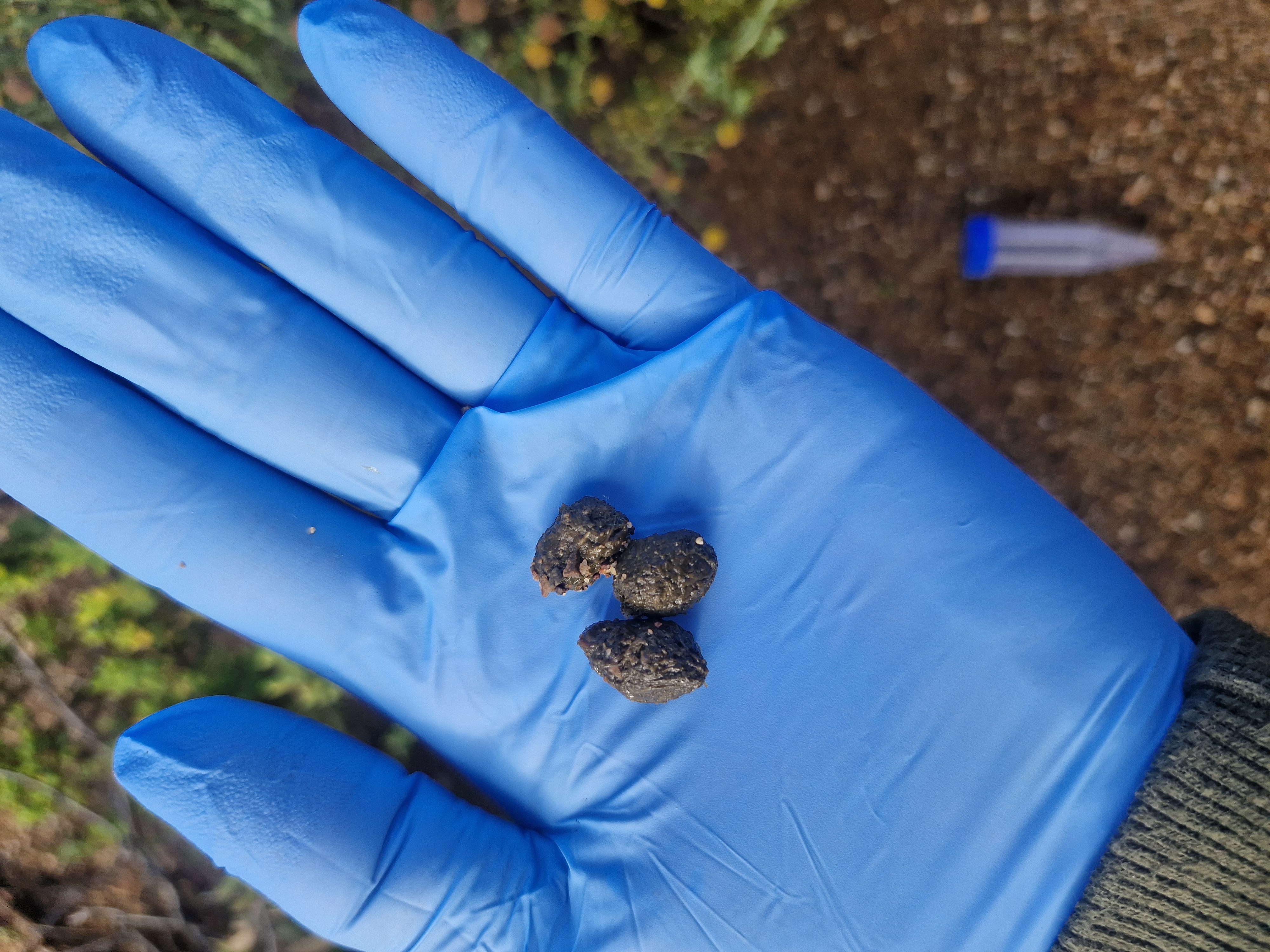
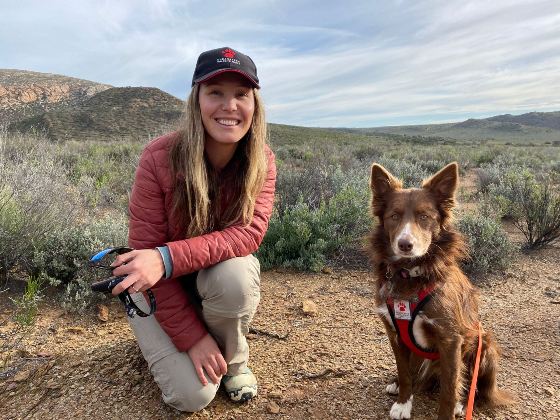
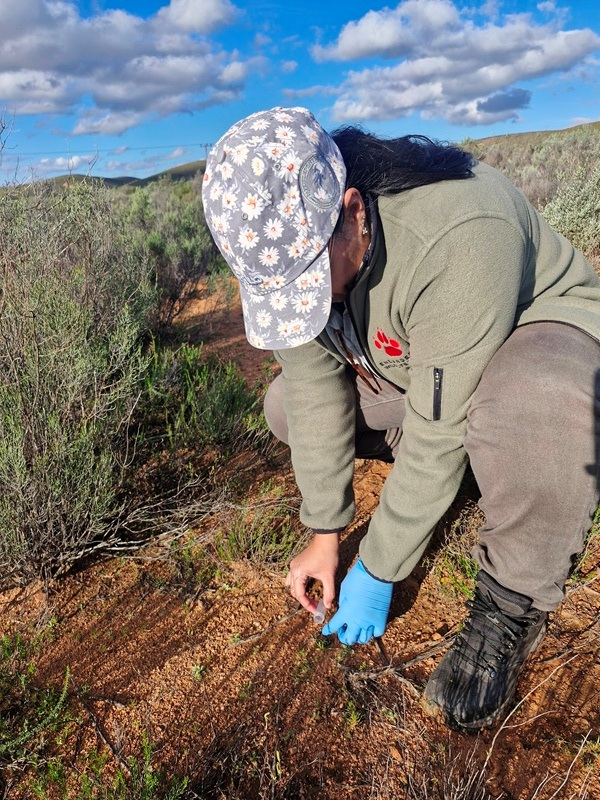
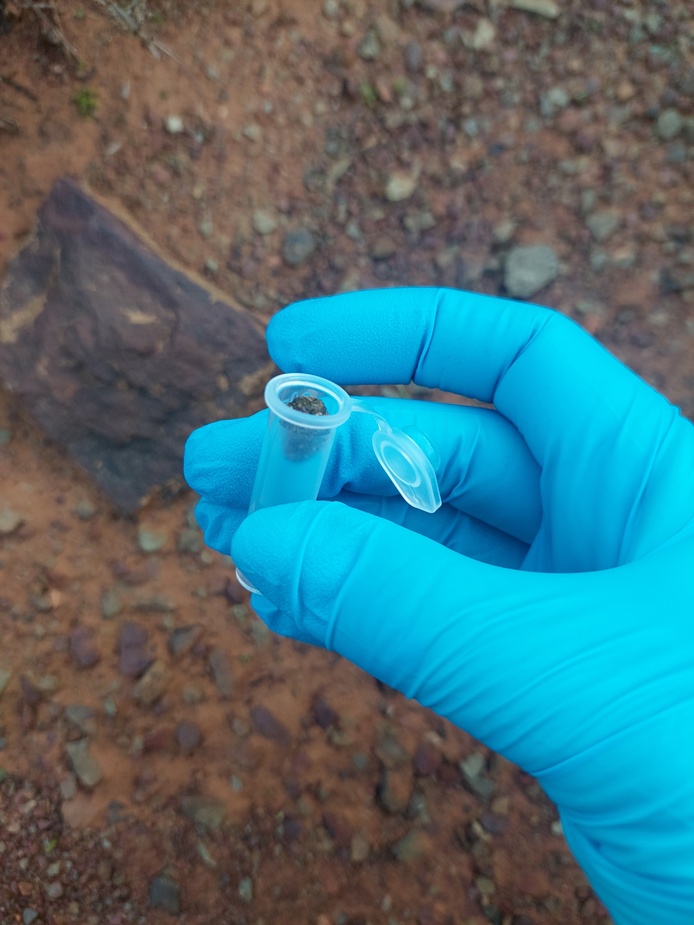
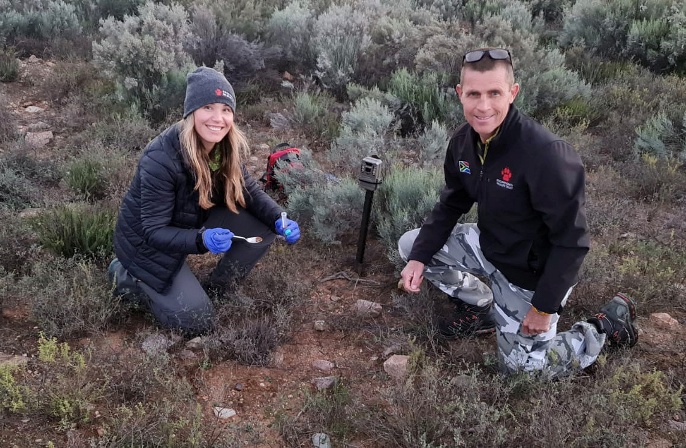
Over the past three years, we have been collecting rabbit scats (droppings) from sites across all three populations wherever our camera traps have detected Riverine Rabbits. We are using these samples, along with those in our tissue collection, for DNA sequence analysis, to map distributions and understand genetic connectivity. Our trained scent-detection dog, Delta, is helping us distinguish between the scat of different lagomorph species (hares and rabbits) in the field, thereby increasing efficiency. We use DNA barcode analysis for species identification/verification.
The barcode markers we use for species identification are variable among different lagomorph species, but not among individual Riverine Rabbits. Genetic markers with greater variability are therefore required for us to make finer-scale inferences about the genetic relationships among Riverine Rabbit populations. In recent years, SNP (single nucleotide polymorphism) markers have become the markers of choice in genetic studies, thanks to advances in next-generation sequencing (NGS) technologies that have facilitated the discovery of SNPs across entire genomes. Although each SNP alone might not carry great variability, many SNPs together can yield great power in population genetic analyses.
Last year, with the use of double digest RAD sequencing (ddRADseq), we uncovered 7,837 genome-wide SNPs (single nucleotide polymorphisms) that are polymorphic (variable) across the Riverine Rabbit population. This year, we are conducting SNP genotyping across a larger sample size (48 rabbits) representing the entire population. We will use these genotype data in various population genetic analyses, to estimate genetic diversity, structure and connectivity within and across subpopulations, and potentially also in population size estimation.